Trees are undoubtedly a vital part of our natural environment, providing numerous benefits such as shade, oxygen, and habitat for wildlife. However, there are instances when tree removal becomes a necessary step to transform landscapes and reclaim valuable space. Whether it’s for safety concerns, property development, or enhancing aesthetics, tree removal plays a significant role in reshaping outdoor spaces. If you need expert tree services, look no further than Hobart Arbor Co for professional and efficient solutions. In this article, we will explore how tree removal can lead to the transformation of landscapes and create a balance between environmental preservation and the need for progress.
1. Ensuring Safety and Preventing Hazards
The safety of residents and property is paramount when it comes to tree removal. Trees that are diseased, damaged, or leaning precariously pose a significant risk of falling and causing harm. Removing such trees eliminates potential hazards and ensures a safer environment for everyone.
2. Facilitating Construction and Development
In urban and suburban areas, tree removal is often necessary to make way for construction and development projects. Whether it’s building homes, commercial properties, or infrastructure, tree removal allows for the expansion of communities and the creation of essential facilities.
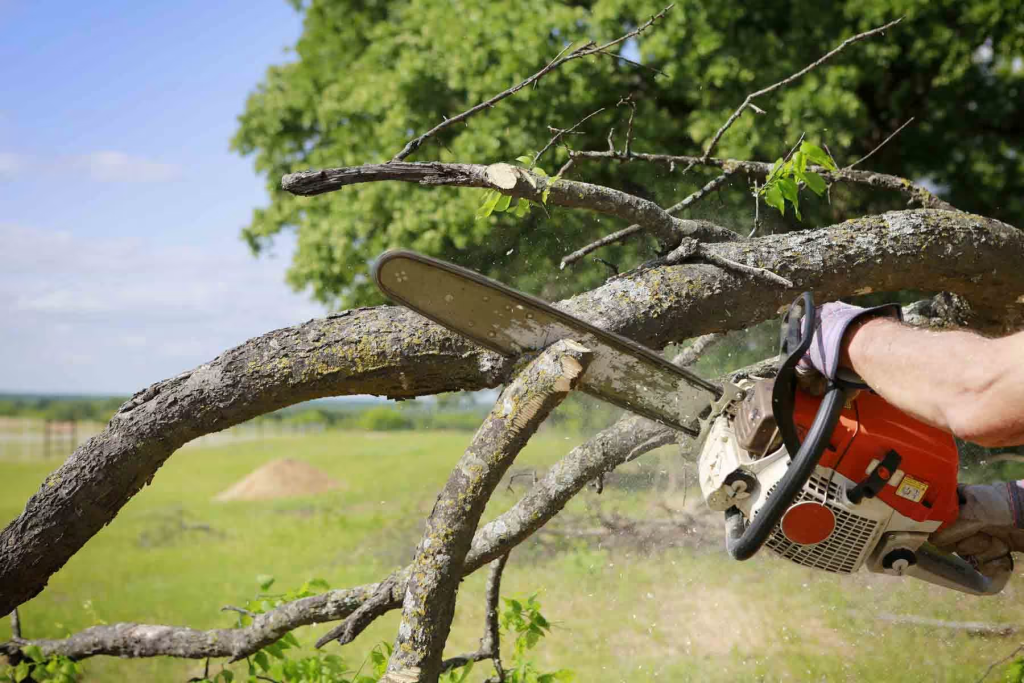
3. Mitigating Tree Overcrowding
In some cases, tree populations can become overcrowded, leading to issues such as competition for resources, stunted growth, and increased susceptibility to diseases. Removing certain trees can promote healthier growth for the remaining ones and restore the balance within the ecosystem.
4. Preserving Native Flora and Fauna
Tree removal, when done responsibly and selectively, can actually contribute to the preservation of native flora and fauna. Invasive tree species can outcompete and displace indigenous plants, affecting the biodiversity of an area. By removing invasive trees, space is reclaimed for the reestablishment of native species, benefiting the local ecosystem.
5. Improving Aesthetics and Landscaping
Landscaping projects often involve tree removal to create visually appealing and well-designed outdoor spaces. Removing unwanted or unsightly trees allows for a more cohesive and aesthetically pleasing landscape design, enhancing the overall beauty of the property.
6. Addressing Overgrown Vegetation
In some cases, trees may grow too large and obstruct sunlight, airflow, or desirable views. Tree removal in such situations can help address overgrown vegetation and improve the overall living conditions and aesthetics of the property.
7. Promoting Healthy Tree Growth
Tree removal is sometimes necessary to ensure the healthy growth of other trees on the property. Eliminating diseased or damaged trees can prevent the spread of infections and allow surrounding trees to thrive.
8. Creating Space for Recreational Activities
In parks, recreational areas, and gardens, tree removal can create space for various recreational activities such as sports, picnics, or playgrounds. By strategically removing trees, these spaces become more inviting and accessible to the public.
9. Enhancing Property Value
A well-maintained and thoughtfully landscaped property can significantly enhance its value. Proper tree removal can improve curb appeal and create a positive first impression for potential buyers or visitors.
10. Supporting Sustainable Land Management
Tree removal, when part of a well-planned land management strategy, can support sustainable practices. It allows for the careful control of vegetation, ensuring that the landscape remains healthy and balanced over time.
Conclusion
While trees are essential for our ecosystem, tree removal can be a necessary and transformative step in reclaiming space and shaping landscapes. Whether for safety concerns, development projects, or promoting environmental balance, responsible tree removal plays a crucial role in land management.
By carefully considering the need for tree removal and prioritizing sustainable practices, we can strike a balance between preserving the environment and making necessary changes to meet the evolving needs of our communities.
So, next time you witness tree removal taking place, remember that it serves a purpose in transforming landscapes and creating spaces that are safer, aesthetically pleasing, and conducive to both human and ecological well-being.