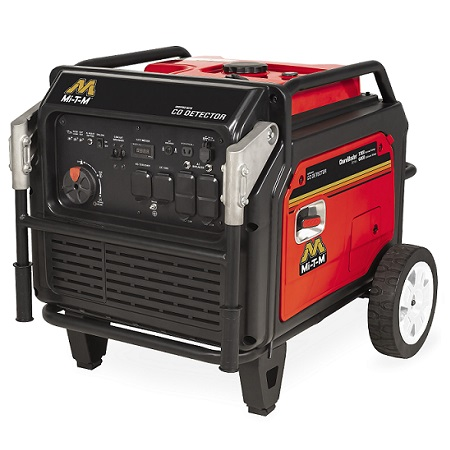
In today’s fast-paced world, it’s crucial to be prepared for unexpected emergencies. Natural disasters, power outages, and other unforeseen events can disrupt our daily lives, leaving us without essential utilities such as electricity. During these challenging times, having a generator can truly save the day. In this article, we will explore the importance of emergency preparedness and discuss how a generator can be a lifesaver in critical situations. If you’re specifically interested in generators, our PGD95BISCO provides detailed information, specifications, and customer reviews to help you make an informed decision.
1. Introduction
During emergencies, when the power grid fails, having access to a reliable source of electricity becomes crucial. This is where a generator can truly save the day. Generators are devices that convert mechanical energy into electrical energy, providing power when the regular supply is disrupted. In this article, we will delve deeper into the significance of emergency preparedness and how a generator can be a vital tool in such situations.
2. Understanding Emergency Preparedness
Emergency preparedness refers to the proactive measures individuals and communities take to ensure their safety and well-being during unexpected events. This includes natural disasters like hurricanes, earthquakes, floods, or severe storms, as well as human-made disasters such as power outages, accidents, or civil unrest. Being prepared can significantly minimize the impact of these events and help maintain essential services and communication channels.
3. The Significance of Electricity in Emergency Situations
Electricity plays a critical role in our everyday lives. It powers our homes, provides lighting, keeps our food fresh, and enables us to use various essential appliances. In emergency situations, access to electricity becomes even more crucial. It ensures that medical devices are operational, enables communication with emergency services, and allows for the safe storage of perishable food items. Having a reliable source of electricity becomes a lifeline in times of crisis.
4. The Role of Generators in Emergency Preparedness
Generators act as a backup power source when the primary electrical supply is disrupted. They can provide electricity to essential appliances, such as refrigerators, heating or cooling systems, medical equipment, and communication devices. A generator can help maintain a sense of normalcy during emergencies, ensuring that vital functions are not compromised. It can provide a temporary solution until power is restored, which can be a matter of hours or even days in some cases.
5. Types of Generators
There are two primary types of generators commonly used for emergency preparedness: portable generators and standby generators.
5.1 Portable Generators
Portable generators are versatile and can be easily moved from one location to another. They run on various fuels such as gasoline, propane, or diesel and offer different power outputs. Portable generators are ideal for powering essential appliances or tools during short-term power outages or when you need electricity in remote locations.
5.2 Standby Generators
Standby generators are permanently installed outside of your home or building and are connected directly to your electrical system. They can automatically sense power outages and activate within seconds, providing a seamless transition to backup power. Standby generators are typically fueled by natural gas or propane, ensuring a continuous supply during extended power disruptions. These generators offer higher power capacities and can sustain the operation of an entire household or facility.
6. Key Factors to Consider When Choosing a Generator
When selecting a generator for emergency preparedness, several factors should be taken into account to ensure the best match for your needs.
6.1 Power Output
Consider the power requirements of the appliances or systems you want to run during an emergency. Calculate the total wattage needed and choose a generator with a suitable power output to accommodate those requirements.
6.2 Fuel Type
Different generators use various fuels, such as gasoline, propane, or diesel. Consider the availability of fuel in your area, the storage requirements, and the generator’s fuel efficiency.
6.3 Run Time
The run time of a generator refers to how long it can operate continuously on a full tank of fuel. Choose a generator with a run time that aligns with your anticipated needs during extended power outages.
6.4 Noise Level
Generators can be noisy during operation. If noise is a concern, look for generators specifically designed to operate quietly or consider installing noise-reducing enclosures.
7. Generator Safety Precautions
While generators are incredibly useful during emergencies, it’s essential to follow safety guidelines to prevent accidents or injuries.
7.1 Proper Ventilation
Generators emit carbon monoxide, a colorless and odorless gas that can be deadly if inhaled in high concentrations. Always operate generators outdoors in well-ventilated areas, away from windows, doors, and air intakes.
7.2 Fuel Storage and Handling
Follow the manufacturer’s instructions for storing fuel and avoid overfilling the generator’s fuel tank. Store fuel in approved containers in a cool and well-ventilated area, away from potential ignition sources.
7.3 Regular Maintenance
Perform regular maintenance checks on your generator to ensure optimal performance. Inspect the fuel and oil levels, change filters and spark plugs as recommended, and keep the generator clean and free from debris.
8. Steps to Prepare for Emergencies
To effectively prepare for emergencies and make the most of your generator, follow these essential steps:
8.1 Assessing Power Needs
Identify the appliances and systems that are critical for your safety and comfort during power outages. This can include medical equipment, lighting, heating or cooling systems, communication devices, or security systems.
8.2 Acquiring a Generator
Research different generator options and choose one that aligns with your power requirements and budget. Consider factors such as fuel availability, run time, and noise level when making your decision.
8.3 Creating a Backup Power Plan
Develop a plan that outlines how you will use your generator during emergencies. Determine which appliances or systems will be connected to the generator and prioritize their usage based on their importance.
8.4 Testing and Maintenance
Regularly test your generator to ensure it is in good working order. Start it up periodically, check for any issues, and address them promptly. Also, keep spare parts, such as filters and spark plugs, on hand for easy replacement if needed.
8.5 Stocking Up on Fuel and Supplies
Maintain an adequate supply of fuel for your generator. Store additional fuel safely and rotate it regularly to ensure freshness. Additionally, keep essential supplies like flashlights, batteries, non-perishable food, and water in your emergency kit.
9. Conclusion
Emergency preparedness is crucial for everyone, and having a generator as part of your preparedness plan can make a significant difference during unexpected events. A generator provides a reliable source of electricity when the power grid fails, allowing you to maintain essential functions and stay connected. Consider your power needs, choose the right generator, and follow safety precautions to ensure its effective use during emergencies.