In today’s digital age, online gaming has become a popular form of entertainment for people of all ages, including children and teenagers. As a parent, it’s important to understand the world of online gaming and how to navigate it safely and responsibly. This comprehensive guide will provide you with essential information and practical tips to help you support your children’s online gaming experiences while ensuring their well-being and fostering a healthy relationship with gaming. The customer support team at pg slot is highly responsive and dedicated to providing assistance to players whenever needed.
Familiarize Yourself with Different Game Genres
The first step in understanding online gaming is to familiarize yourself with the various game genres your children may be interested in. From action-packed shooters to immersive role-playing games and engaging puzzle adventures, each genre offers a unique gaming experience. Take the time to research and explore the different types of games, their content, and age ratings to make informed decisions about what games are appropriate for your child’s age and maturity level.
Set Clear Rules and Boundaries
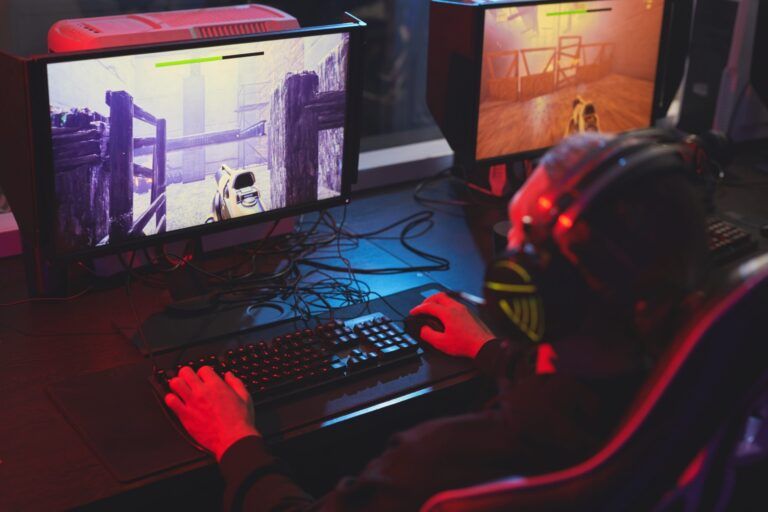
Establishing clear rules and boundaries is essential to promote healthy gaming habits. Set limits on screen time, establish specific periods for gaming, and communicate your expectations regarding responsible gaming behavior. It’s important to strike a balance between gaming and other activities, such as homework, physical exercise, and social interactions. By setting clear rules, you can ensure that gaming remains a part of your child’s life without overshadowing other important aspects.
Understand Age Ratings and Content
Online games are typically rated by age groups to help parents make informed decisions. Familiarize yourself with the age ratings assigned to different games, such as “E for Everyone,” “T for Teen,” or “M for Mature.” These ratings provide guidance on the appropriate content for specific age ranges. Pay attention to the content descriptors that accompany the ratings, as they highlight specific elements, such as violence, language, or online interactions. Use this information to select games that align with your values and your child’s developmental stage.
Utilize Parental Controls and Safety Features
Most gaming platforms and devices offer parental control features that allow you to monitor and manage your child’s gaming experience. Take advantage of these tools to set restrictions on in-game purchases, online interactions, and access to age-inappropriate content. Familiarize yourself with the parental control settings available on the platforms your child uses, such as consoles, computers, or smartphones. Regularly review and update these settings as your child grows and matures.
Encourage Open Communication
Maintaining open lines of communication with your child about their online gaming experiences is crucial. Talk to them about the games they play, their interests, and their online interactions. Encourage them to share their gaming achievements and experiences with you. Create a safe and non-judgmental environment where they feel comfortable discussing any concerns or issues they may encounter while gaming. Regularly engage in conversations about responsible gaming habits, online etiquette, and cyberbullying to raise awareness and promote responsible behavior.
Educate Yourself on Online Safety and Cybersecurity
As a parent, it’s important to educate yourself on online safety and cybersecurity to ensure your child’s well-being while gaming. Learn about potential risks such as online predators, scams, and phishing attempts. Teach your child about the importance of safeguarding personal information, using strong and unique passwords, and being cautious when interacting with strangers online. Encourage them to report any inappropriate behavior or concerns they may encounter while gaming.
Encourage Positive Gaming Communities
Online gaming provides opportunities for social interaction and community engagement. Encourage your child to participate in positive and inclusive gaming communities where they can connect with like-minded individuals who share their interests. Emphasize the importance of respectful and sportsmanlike behavior while playing online. Help them understand the significance of treating others with kindness and empathy, and encourage them to be good digital citizens within the gaming community.
Be an Active Participant and Role Model
To better understand your child’s gaming experience, consider playing games with them or observing their gameplay. This active participation allows you to monitor the content, interactions, and behavior within the games firsthand. By being involved in their gaming journey, you can engage in meaningful conversations, provide guidance, and share in their enjoyment. Be a positive role model by demonstrating responsible technology use and setting healthy boundaries for yourself.
Conclusion
Online gaming can provide entertainment, social connections, and even educational opportunities for children. By understanding the world of online gaming, setting clear rules and boundaries, utilizing parental controls, fostering open communication, and promoting online safety, parents can ensure that their children have a positive and responsible gaming experience. Embrace the potential of online gaming as a platform for creativity, collaboration, and skill-building while prioritizing your child’s well-being and overall development. Game on, parents!