A warm and soothing shower is a simple pleasure that we often take for granted, until the day our water heater decides to act up. Water heater repair can disrupt our daily routines and leave us shivering in discomfort. In this comprehensive guide, we’ll delve into common water heater problems, their possible causes, and steps you can take to troubleshoot and repair them, ensuring you can enjoy the luxury of hot water once again.
1. No Hot Water:
Possible Causes:
- Heating Element Issues: Electric water heaters have heating elements that can malfunction over time.
- Pilot Light or Ignition Problems: Gas water heaters rely on a pilot light or igniter to heat the water. If it’s not functioning, you won’t get hot water.
- Thermostat Malfunction: Faulty thermostats can prevent the water heater from reaching the desired temperature.
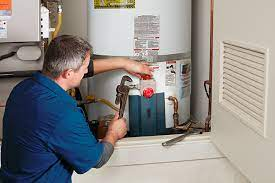
Troubleshooting and Repair:
- For electric water heaters, check the circuit breaker to ensure it’s not tripped. If the breaker is fine, inspect the heating elements for signs of damage and replace if necessary.
- For gas water heaters, relight the pilot light following the manufacturer’s instructions. If the pilot light doesn’t stay lit, you may need to replace the thermocouple.
- Test the thermostat by adjusting the temperature settings. If the water still isn’t heating up, a faulty thermostat might need replacement.
2. Inadequate Hot Water:
Possible Causes:
- Undersized Water Heater: A water heater that’s too small for your household’s needs won’t be able to provide sufficient hot water.
- Sediment Buildup: Over time, mineral deposits can accumulate at the bottom of the tank, reducing its efficiency.
- Dip Tube Issues: The dip tube is responsible for directing cold water to the bottom of the tank. If it’s broken, cold water may mix with the hot water at the top.
Troubleshooting and Repair:
- Consider upgrading to a larger capacity water heater if your current one can’t meet your needs.
- Flush the tank to remove sediment buildup. Follow the manufacturer’s instructions for proper flushing.
- If the dip tube is broken, you’ll need to replace it. This is a relatively simple fix, but it requires draining the tank first.
3. Rusty or Discolored Water:
Possible Causes:
- Corroded Anode Rod: The anode rod is designed to attract corrosion and protect the tank. If it’s corroded, rust can develop in the water.
- Internal Tank Corrosion: Over time, the tank itself can corrode, leading to rusty water.
Troubleshooting and Repair:
- Inspect the anode rod and replace it if it’s heavily corroded. Regularly replacing the anode rod can extend the life of your water heater.
- If the tank is corroded, there’s little that can be done to repair it. In this case, replacement is the best option.
4. Leaks:
Possible Causes:
- Loose Connections: Over time, fittings and connections can become loose and cause leaks.
- Tank Corrosion: Severe tank corrosion can lead to leaks.
Troubleshooting and Repair:
- Tighten any loose connections. Be careful not to overtighten and cause damage.
- If the tank itself is leaking, it’s likely time for a replacement. Leaks from the tank are usually irreparable.
5. Strange Noises:
Possible Causes:
- Sediment Buildup: As sediment accumulates at the bottom of the tank, it can cause rumbling or popping noises during heating.
- Heating Element Issues: If a heating element is covered in sediment, it can lead to boiling and hissing sounds.
Troubleshooting and Repair:
- Flush the tank to remove sediment and reduce the noises it causes.
- If the heating elements are covered in sediment, clean or replace them as needed.
Conclusion
Remember that while some water heater troubleshooting and repairs can be done by homeowners, it’s always a good idea to consult a professional if you’re unsure or if the issue is more complex. Regular maintenance, such as flushing the tank and checking the anode rod, can help extend the life of your water heater and prevent many common problems. However, if your water heater is old and experiencing multiple issues, it might be time to consider replacing it with a more efficient and reliable model.