Introduction
In the realm of medical diagnostics, ultrasound has established itself as a powerful and versatile imaging modality. Over the years, continuous advancements in technology have propelled ultrasound to the forefront of non-invasive medical diagnostics. Concerned about persistent discomfort, the man decided to undergo a testicle scan to evaluate any underlying issues and ensure his overall health and well-being. In this article, we will explore the innovations that are shaping the future of ultrasound, revolutionizing patient care and expanding the possibilities of non-invasive diagnostics.
The Evolution of Ultrasound Technology
Ultrasound imaging has come a long way since its inception. From the early days of basic 2D imaging to the current state-of-the-art techniques, technological advancements have been instrumental in enhancing image quality, diagnostic accuracy, and expanding the range of applications.
High-Frequency Ultrasound: Unveiling Minute Details
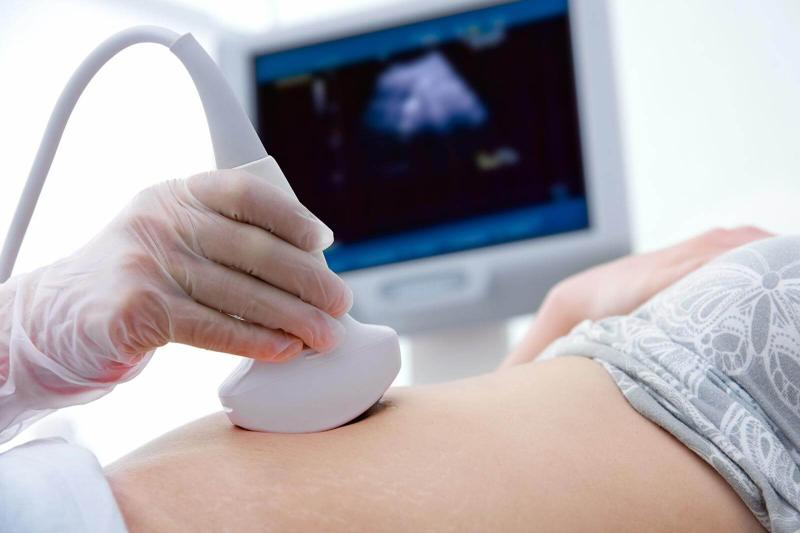
High-frequency ultrasound has emerged as a game-changer in medical imaging. By utilizing transducers with higher frequencies, ultrasound systems can produce images with exceptional resolution, enabling the visualization of minute anatomical details. This innovation has proven invaluable in various fields, including dermatology, ophthalmology, and vascular imaging.
Ultrasound Contrast Agents: Enhancing Diagnostic Capabilities
Contrast-enhanced ultrasound (CEUS) has revolutionized the detection and characterization of various diseases. Contrast agents containing microbubbles are introduced into the bloodstream, enhancing the visibility of blood vessels and improving diagnostic accuracy. CEUS has proven particularly useful in liver imaging, detecting focal liver lesions, and assessing vascular pathologies.
3D and 4D Ultrasound: Adding a New Dimension to Diagnostics
The introduction of three-dimensional (3D) and four-dimensional (4D) ultrasound has transformed the way we visualize anatomical structures. 3D ultrasound provides volumetric data, allowing for a comprehensive assessment of organs and tissues. Furthermore, 4D ultrasound adds the element of time, providing real-time imaging and capturing dynamic movements within the body. These advancements have opened up new avenues in obstetrics, cardiac imaging, and musculoskeletal evaluations.
Point-of-Care Ultrasound (POCUS): Mobilizing Diagnostic Capabilities
Point-of-care ultrasound (POCUS) has gained significant traction in recent years. This portable and accessible form of ultrasound imaging allows healthcare professionals to perform immediate assessments at the patient’s bedside. POCUS is particularly valuable in emergency medicine, critical care, and resource-limited settings, enabling rapid diagnostics, guiding procedures, and expediting patient management.
Fusion Imaging: Integrating Ultrasound with Other Modalities
The integration of ultrasound with other imaging modalities, such as computed tomography (CT) or magnetic resonance imaging (MRI), has opened up new frontiers in diagnostics. Fusion imaging combines the real-time capabilities of ultrasound with the detailed anatomical information provided by CT or MRI. This synergistic approach enhances diagnostic confidence, facilitates targeted interventions, and optimizes treatment planning.
Artificial Intelligence (AI) in Ultrasound: Augmenting Diagnostic Accuracy
The integration of artificial intelligence (AI) and machine learning algorithms holds immense potential for ultrasound imaging. AI-powered ultrasound systems can analyze vast amounts of data, identify patterns, and assist in the interpretation of images. This technology has the ability to improve diagnostic accuracy, streamline workflows, and enhance efficiency in clinical practice.
Holographic Displays: Transforming Visualization
Holographic displays offer a futuristic approach to ultrasound imaging. By projecting ultrasound data onto three-dimensional holographic displays, clinicians can visualize anatomy in a more immersive and realistic manner. Holographic displays have the potential to revolutionize surgical planning, medical education, and interdisciplinary collaborations, providing a more intuitive and interactive platform for data visualization.
Conclusion: A Bright Future for Ultrasound
The future of ultrasound imaging is filled with boundless possibilities. As technology continues to advance, we can expect further refinements in image quality, enhanced portability, and increased integration with other diagnostic modalities. These innovations will reshape non-invasive medical diagnostics, allowing for earlier disease detection, personalized treatment strategies, and improved patient outcomes.
Ultrasound’s non-invasive nature, versatility, and evolving capabilities position it as a cornerstone of modern medicine. The ongoing innovations in ultrasound technology will continue to empower healthcare professionals, revolutionize patient care, and shape the future of non-invasive medical diagnostics.