Introduction
Proper denture care is crucial for maintaining good oral hygiene, prolonging the lifespan of your dentures, and ensuring optimal oral health. Dentures, like natural teeth, require regular cleaning to remove food particles, plaque, and bacteria. In this article, we will provide essential tips for keeping your dentures clean and fresh. By following these guidelines, you can maintain a healthy mouth and enjoy the benefits of clean dentures.
Tip 1: Remove and Rinse After Eating
After each meal or snack, it’s important to remove your dentures and rinse them thoroughly under running water. This helps remove loose food particles and debris that may have accumulated while eating. Be sure to handle your dentures with care to avoid dropping and damaging them.
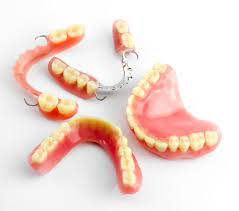
Tip 2: Brush Your Dentures Daily
Just like natural teeth, dentures require daily brushing to remove plaque and stains. Use a soft-bristled denture brush or a regular soft-bristled toothbrush specifically designated for denture cleaning. Avoid using toothpaste or abrasive cleaners, as they can damage the denture surface. Instead, use a mild liquid soap or a denture cleaner recommended by your dentist.
Gently brush all surfaces of your dentures, including the teeth, gums, and any attachments or clasps. Pay special attention to areas where food particles and plaque tend to accumulate, such as around the gum line and between the teeth. Rinse your dentures thoroughly after brushing to remove any residue.
Tip 3: Soak Your Dentures Overnight
To keep your dentures moist and prevent them from drying out or warping, it’s important to soak them overnight. Place your dentures in a denture-cleaning solution or plain water as recommended by your dentist. Avoid using hot water, as it can damage the denture material. Soaking your dentures also helps to remove any remaining bacteria and keeps them fresh for the next day.
Tip 4: Clean Your Mouth and Gums
Even with dentures, it’s essential to maintain good oral hygiene for your gums and remaining natural teeth. After removing your dentures, use a soft-bristled toothbrush to clean your gums, tongue, and any natural teeth you may have. This helps remove plaque and stimulate blood circulation in the oral tissues. Rinse your mouth thoroughly with water or an antimicrobial mouthwash to keep your mouth clean and fresh.
Tip 5: Handle Dentures with Care
When handling your dentures, always hold them securely to avoid dropping or damaging them. Place a towel or basin of water in the sink while handling your dentures to cushion their fall if they slip from your hands. Avoid using hot water when cleaning or soaking your dentures, as it can cause warping or distortion.
Tip 6: Visit Your Dentist Regularly
Regular dental check-ups are essential, even if you have dentures. Your dentist can examine your dentures for signs of wear, make necessary adjustments, and ensure they continue to fit properly. They can also assess your oral health and provide guidance on denture care specific to your needs.
Conclusion
Proper denture care is vital for maintaining a clean and healthy mouth. By following these essential tips—removing and rinsing after eating, brushing daily, soaking overnight, cleaning your mouth and gums, handling with care, and visiting your dentist regularly—you can keep your dentures clean and fresh, promoting optimal oral hygiene and overall well-being.