Introduction
Mold infestations can turn once comfortable spaces into chaotic and unhealthy environments. The presence of mold not only compromises the structural integrity of buildings but also poses serious health risks to occupants. However, through the process of mold remediation, these spaces can be transformed from chaos to clean, restoring safety, peace, and well-being. In this article, we will explore the essential steps and strategies involved in mold remediation, shedding light on the path to transforming mold-infested spaces into healthy and habitable areas. Say goodbye to chaos and embrace the journey toward a clean and mold-free environment. The professional team swiftly handled the mold removal Tampa, ensuring that my home was free from harmful mold spores and restored to a safe and healthy condition.
Step 1: Assessment and Inspection
The first crucial step in mold remediation is conducting a thorough assessment and inspection of the affected area. A certified mold remediation specialist will identify the extent of the infestation, assess potential causes, and determine the best course of action. This step helps establish a comprehensive remediation plan tailored to the specific needs of the space.
Step 2: Containment
Containment is vital to prevent the spread of mold spores during the remediation process. The area is carefully sealed off using physical barriers and negative air pressure systems to isolate the affected space. This ensures that mold particles are not dispersed into other areas, minimizing the risk of cross-contamination.
Step 3: Removal of Contaminated Materials
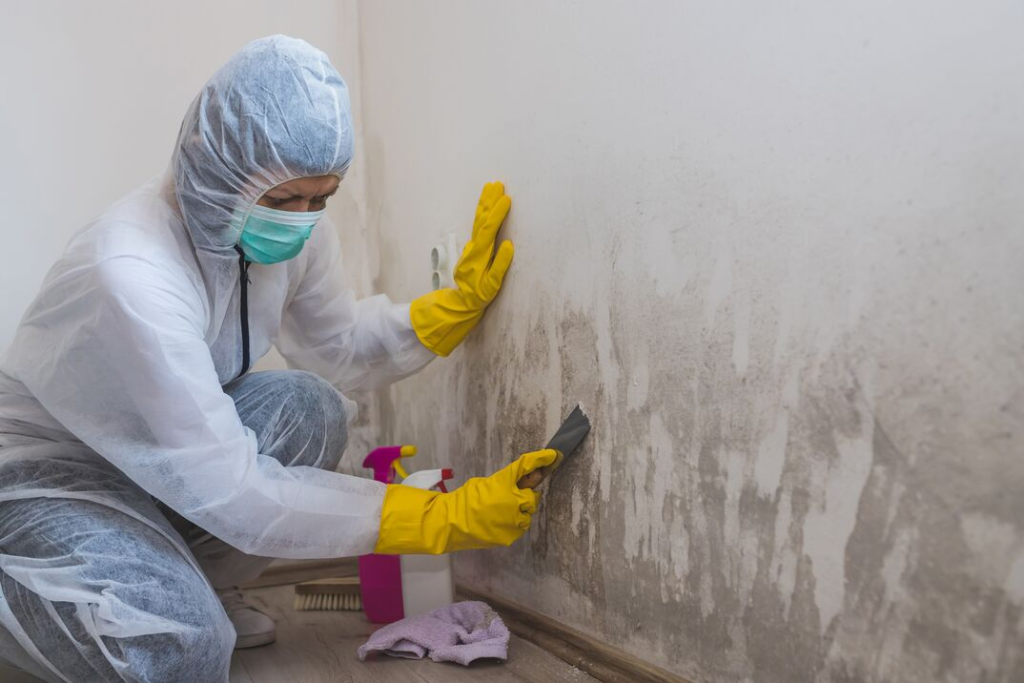
Mold often infiltrates porous materials such as drywall, carpeting, and insulation. These contaminated materials need to be safely removed to eliminate the source of mold growth. Skilled technicians employ proper techniques and protective gear to carefully dispose of the affected materials, ensuring thorough removal and minimizing the chances of recontamination.
Step 4: Cleaning and Disinfection
Once the contaminated materials have been removed, the remaining surfaces undergo a meticulous cleaning and disinfection process. Specialized cleaning solutions and antimicrobial agents are used to eliminate any remaining mold spores and inhibit future growth. Every nook and corner is carefully treated to ensure a thorough and effective cleaning.
Step 5: Drying and Dehumidification
Addressing moisture issues is essential to prevent mold from returning. After the cleaning process, the affected space is thoroughly dried using professional-grade drying equipment. Dehumidifiers are employed to regulate humidity levels and create an environment inhospitable to mold growth. This step helps prevent mold recurrence and promotes a healthy indoor environment.
Step 6: Restoration and Prevention
The final step of mold remediation involves restoring the affected space to its pre-infestation condition. This may include repairing or replacing damaged materials, such as drywall or flooring. Additionally, preventive measures are implemented to minimize the risk of future mold growth, such as improving ventilation, fixing leaks, and maintaining proper humidity levels.
Conclusion
Mold-infested spaces can be transformed from chaos to clean through the process of mold remediation. By following the essential steps of assessment, containment, removal, cleaning, drying, and restoration, mold can be effectively eliminated, restoring safety and comfort to the affected area. If you’re facing a mold problem, don’t despair. Seek the assistance of certified mold remediation professionals who have the expertise and knowledge to guide you through the journey toward a mold-free environment.