Introduction
When designing a bathroom, optimizing toilet clearance is crucial for ensuring better hygiene and comfort. The amount of space around the toilet can significantly impact cleanliness, accessibility, and overall user experience. In this guide, we will explore the science behind optimizing toilet clearance to create a bathroom that promotes better hygiene practices and provides optimal comfort for users. The toilet clearance refers to the recommended space around a toilet, which ensures comfortable usage and accessibility for individuals, allowing them to navigate the restroom area with ease.
1. Hygiene Considerations
Proper toilet clearance is essential for maintaining good hygiene in the bathroom. Sufficient space around the toilet allows for easier cleaning and reduces the risk of bacteria and germs accumulating in hard-to-reach areas. Here are some hygiene considerations to keep in mind:
- Accessible Cleaning: Ample clearance around the toilet enables easy access for cleaning tools and products. This facilitates thorough cleaning of the toilet bowl, floor, and surrounding areas, minimizing the chance of bacterial growth and maintaining a hygienic environment.
- Avoiding Overcrowding: Insufficient toilet clearance can lead to overcrowding, making it difficult to clean the toilet effectively. Overcrowding may also result in items being placed too close to the toilet, increasing the risk of contamination. By optimizing toilet clearance, you can prevent these hygiene challenges.
2. Comfort and Ergonomics
Optimizing toilet clearance goes beyond hygiene; it also plays a significant role in user comfort and ergonomics. Consider the following factors when determining the ideal clearance for enhanced comfort:
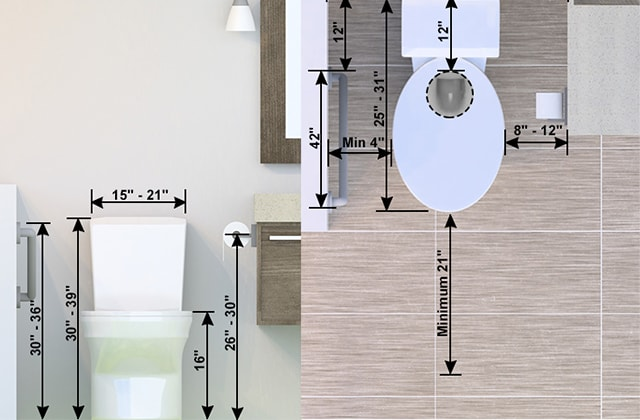
- Legroom: Sufficient legroom is essential for comfortable seating. Aim for a minimum clearance of 15 inches (38 cm) on each side of the toilet to ensure users can sit comfortably without feeling cramped or restricted.
- Knee Space: Adequate clearance in front of the toilet allows for comfortable leg movement and prevents users’ knees from hitting walls, cabinets, or other fixtures. Aim for at least 21 inches (53 cm) of clearance in front of the toilet.
- Accessibility: If designing a bathroom for individuals with mobility challenges or disabilities, ensure that the toilet clearance meets accessibility guidelines. These guidelines often require larger clearances to accommodate mobility aids such as wheelchairs.
3. Spatial Awareness and Safety
Optimizing toilet clearance also promotes spatial awareness and enhances safety within the bathroom environment. Sufficient space around the toilet prevents accidental bumps and collisions and allows users to navigate the area with ease. Consider the following safety aspects:
- Clear Pathways: Ensure there is enough space for users to move comfortably around the toilet area without obstruction. This helps reduce the risk of tripping or falling, especially in bathrooms used by individuals with limited mobility.
- Ease of Access: Adequate clearance facilitates easy access to essential bathroom fixtures and amenities such as toilet paper holders, grab bars, and handwashing areas. This promotes user independence and convenience, particularly for individuals with specific accessibility needs.
4. Customization and Individual Preferences
While there are recommended guidelines for toilet clearance, it’s important to consider individual preferences and customization options. Every person has unique needs and comfort levels. Some may prefer more spacious surroundings, while others may require specific adjustments based on their physical attributes or health conditions. It’s crucial to listen to user feedback and accommodate their preferences whenever possible.
Conclusion
Optimizing toilet clearance in your bathroom design is a scientific approach that considers hygiene, comfort, spatial awareness, and customization. By ensuring sufficient space around the toilet, you create a more hygienic environment, enhance user comfort and accessibility, promote safety, and accommodate individual preferences. Remember to consult with professionals, adhere to local building codes, and consider specific user requirements when planning and optimizing toilet clearance in your bathroom.